
Managing What You Can’t Control
Lessons from the 2026 Cherry Season for Every Business Owner
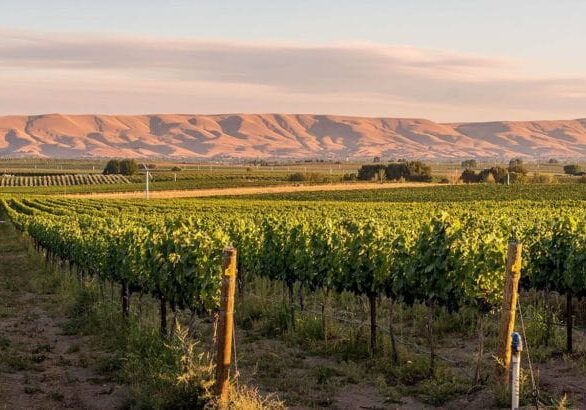
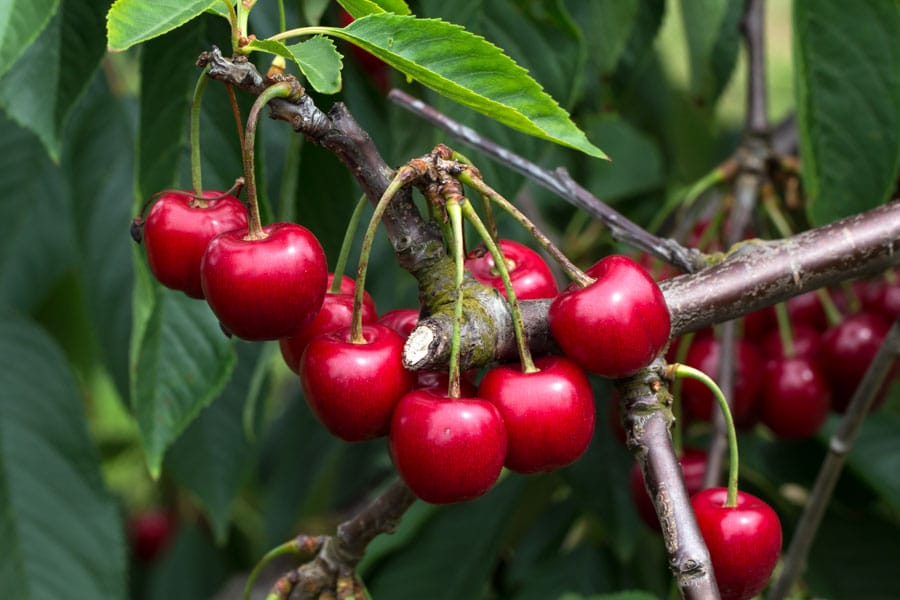
Another year, another unpredictable cherry growing season for farmers who have wanted nothing more than a calm and profitable 2026. It feels like every year a new challenge is thrown at growers, forcing them to quickly pivot to bring a profitable—or, in many cases, operation-saving—crop to harvest. Up north in Central Washington, cherry growers were hit with multiple nights of cold weather and spring frost, causing many to lose most, if not all, of their crop. Here in the Yakima Valley, growers largely avoided major weather losses, but another risk lurks in the shadows: the market. The cherry grower shows us that navigating one challenge often means immediately facing the next.
Harvest is now in full swing, and warehouse sales desks are scrambling to fill orders and secure the best possible returns for their growers. Cherries face a unique challenge in the marketplace because they are a short-season commodity that many consumers purchase on impulse rather than out of habit. If that purchase is not a positive experience, a customer may be lost for good. After several difficult financial years for Washington agriculture, every customer matters.
This highlights the reality of the cherry business: farmers do their best to produce high-quality fruit, but once the crop leaves the orchard, much of the outcome remains uncertain. The waiting game begins as they hope to cover expenses and, in exceptional years, earn a profit.
While these challenges are especially visible in agriculture, the underlying lesson applies to every business owner. Whether you operate an orchard, a manufacturing company, a contracting firm, or a real estate business, success often depends on factors that can shift quickly and without warning. Weather, markets, labor availability, regulation, interest rates, and consumer demand can all dramatically impact financial results, especially in Washington State.
For the cherry grower, a skilled crop insurance agent brings a deep understanding of USDA crop insurance programs and how they apply specifically to cherry operations. Policies such as Actual Revenue History (ARH) and Whole-Farm Revenue Protection (WFRP) help manage production and market risks in different ways. Every farm is different, which means the right crop insurance strategy depends on each grower’s production history, variety mix, marketing approach, and tolerance for risk. An experienced agent helps growers select coverage that reflects the realities of their operation rather than relying on a one-size-fits-all approach. The best crop insurance agents are true, good old-fashioned professional service advisors who take the time to understand their clients’ farms, goals, and risk profiles.
In the dawn of the AI age, there is a growing tendency to believe every answer can be found online or generated by a computer. Yet paradoxically, the trusted advisor who understands a business and takes the time to listen may be more valuable than ever. For growers, that advisor may be a crop insurance agent. For other business owners, it may be an accountant, financial advisor, banker, or attorney. The most successful businesses recognize that no single person has all the answers. They surround themselves with the right team of advisors, each bringing different expertise to the table, while ensuring those advisors communicate and work together toward a common objective.
A knowledgeable advisor helps business owners avoid costly mistakes and make better decisions when challenges arise. Just as important is the ongoing relationship. Markets change, risks evolve, and circumstances shift. Advisors who stay engaged, communicate proactively, and remain invested in their clients and communities help business owners prepare rather than simply react. The best advice is not transactional; it is built over time and tailored to the unique challenges of each operation.
For Washington cherry growers, crop insurance is more than a safety net—it is a critical risk management tool, and it works best when evaluated as part of a broader advisory team. Like many important business decisions, its value is maximized when it is considered alongside other financial, operational, and strategic planning efforts.
More broadly, the 2026 cherry season serves as a reminder that uncertainty is now a constant part of doing business. The organizations that thrive will not necessarily be those that avoid risk. They will be the ones that identify it early, prepare for it thoughtfully, and surround themselves with the right team to help navigate whatever comes next.